An Atlas day
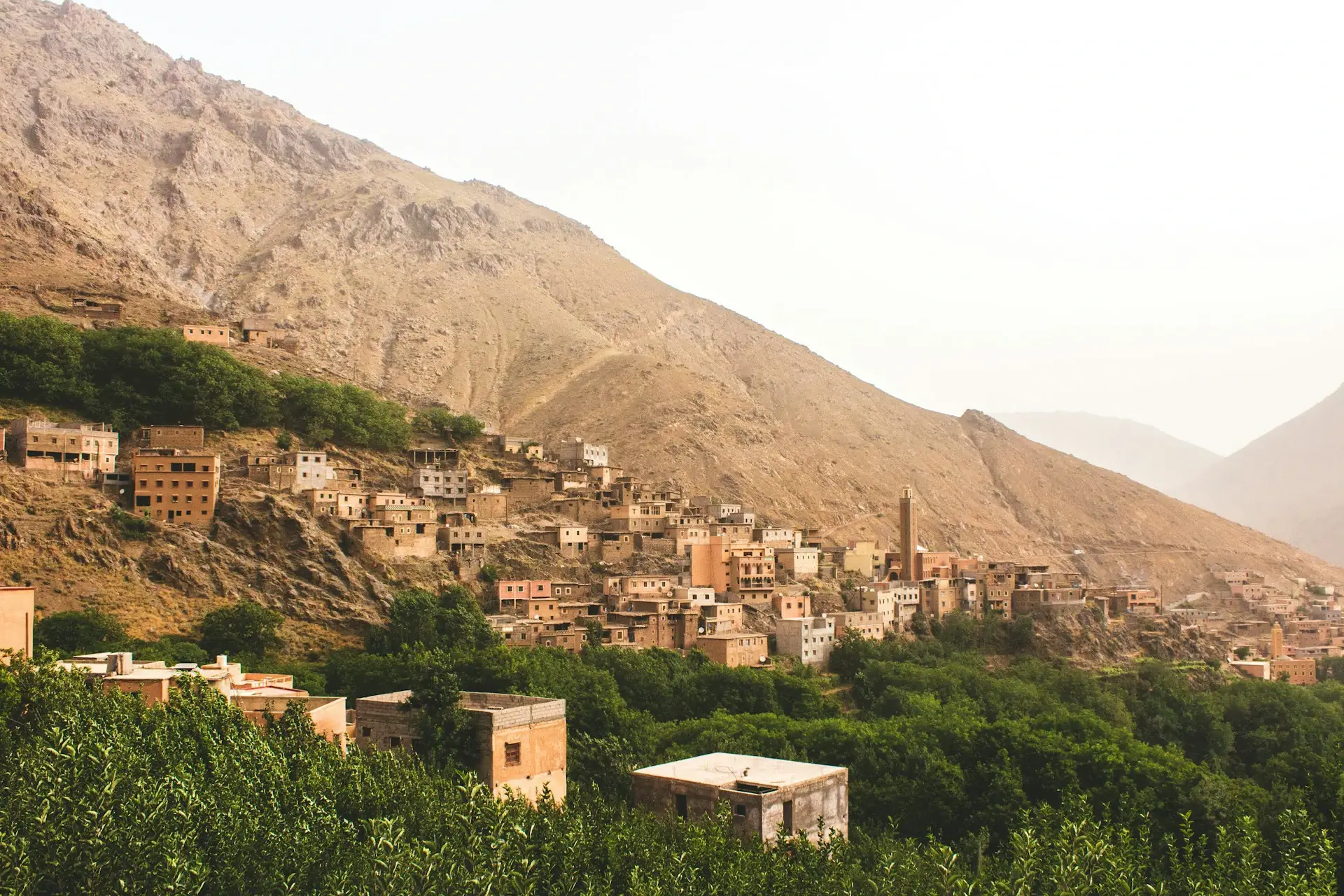
Walking, Berber villages and open air at Imlil, on the way to Toubkal.
See the Imlil rideA medina, hidden gardens, and day trips toward the Atlas or the desert. Marrakech does not reward the same list twice. Here is how to build a stay that fits the days you actually have.
Marrakech splits into four layers: the historic medina (souks, palaces, mosques), the newer districts of Gueliz and Hivernage, gardens such as Jardin Majorelle, and day trips to the Atlas, the coast or the Agafay desert. Three to five days cover a balanced first stay. Add days if you want a long excursion.
NATAM VIP
Marrakech is several districts, and that geography decides the days. The medina, inside ochre walls, holds the history: souks, palaces, mosques, riads. A short ride away, Gueliz and Hivernage are the newer town, with wider avenues, galleries and contemporary addresses. Beyond them, the Palmeraie, the gardens and the countryside are a different pace from the lanes.
On a first stay, leave things out. A lane with no plan, a mint tea, and time on a square often beat a checklist. The areas page compares where to sleep if the base is still open.
Spring (March to May) and autumn (September to November) are the easy walking months. Summer days can pass 40°C, so mornings and late afternoons work better, and a mountain or coastal day is the way to cool down. Winter days stay mild. Evenings in the medina are cool.
As a length:
Plan the arrival before you fly, especially if the landing is in the evening. A simple four-day split works: one day in the historic medina, half a day in the gardens and then Gueliz, one day out (Ourika, Agafay or Imlil), and a last day for shopping, a hammam, or a quarter you want to see more slowly. Marrakech resists an hour-by-hour script.
NATAM VIP
The Marrakech medina is a UNESCO site and the natural start. It is a maze of lanes, workshops, mosques and old houses turned into riads.
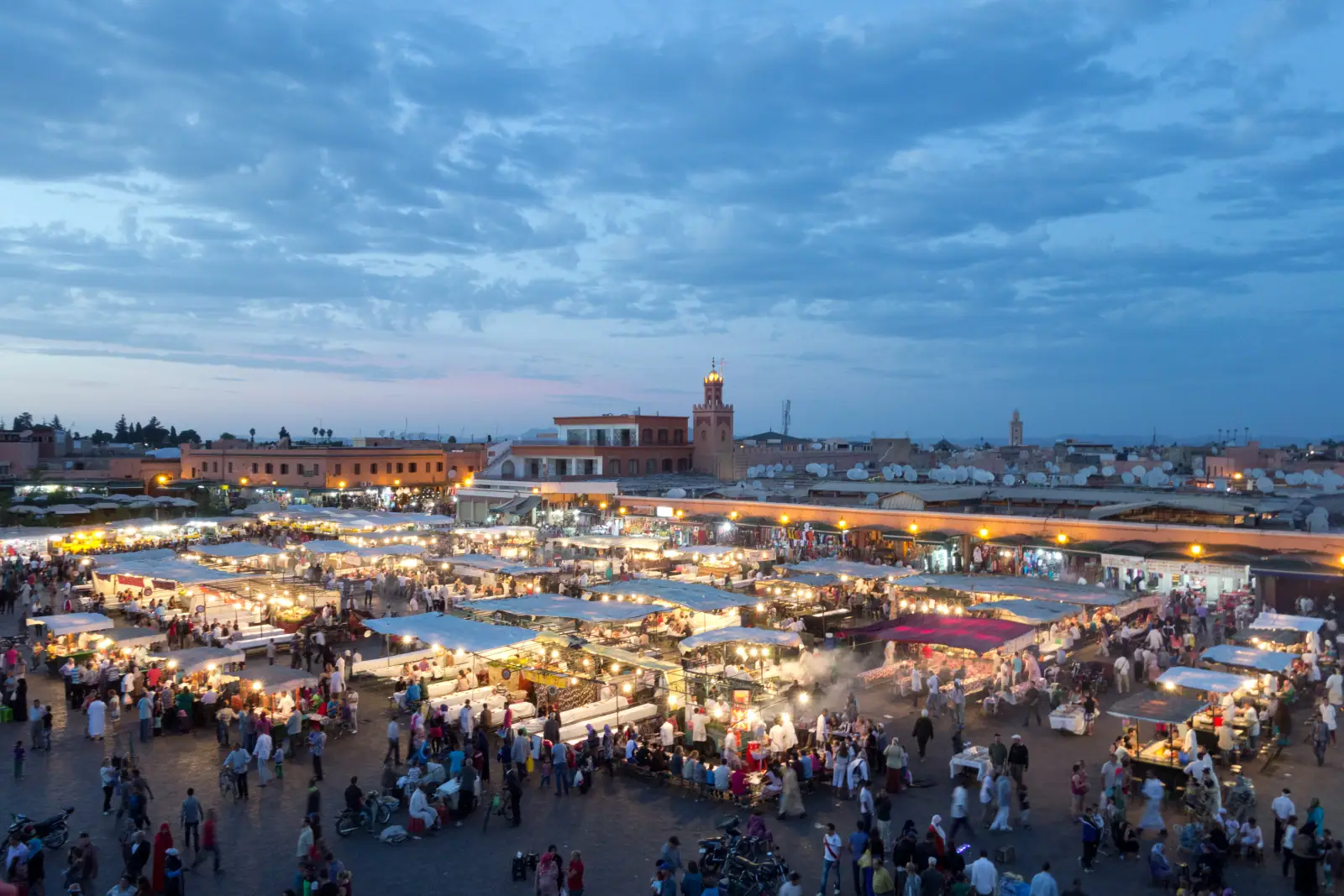
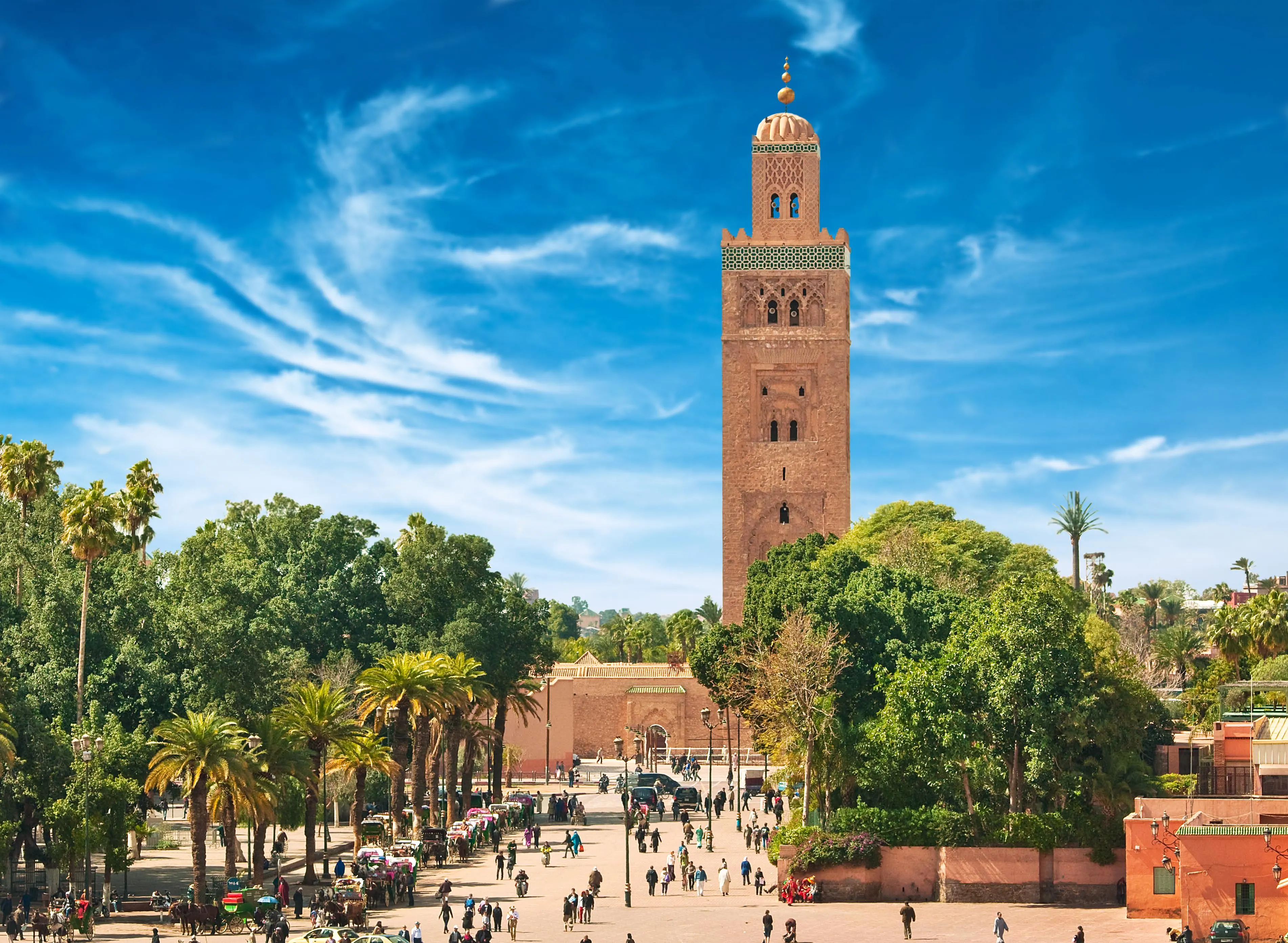
Jemaa el-Fna changes through the day: orange juice and performers in the morning, storytellers, musicians and food stalls after dark. Sunset from a nearby terrace is the moment most visitors mention.
The souks spread over a large area, historically by trade: dyers, tanners, metalworkers, weavers. Getting lost is part of it. Jemaa el-Fna is the landmark when you want a way out.
Monuments worth the walk:
| Place | Area | Why go |
|---|---|---|
| Jemaa el-Fna | Medina | A different square in the morning, afternoon and evening |
| Souks | Medina | Crafts, and walks with no fixed route |
| Bahia Palace | Medina | Courtyards and gardens |
| Ben Youssef Madrasa | Medina | Detailed architecture, less crowded than Bahia |
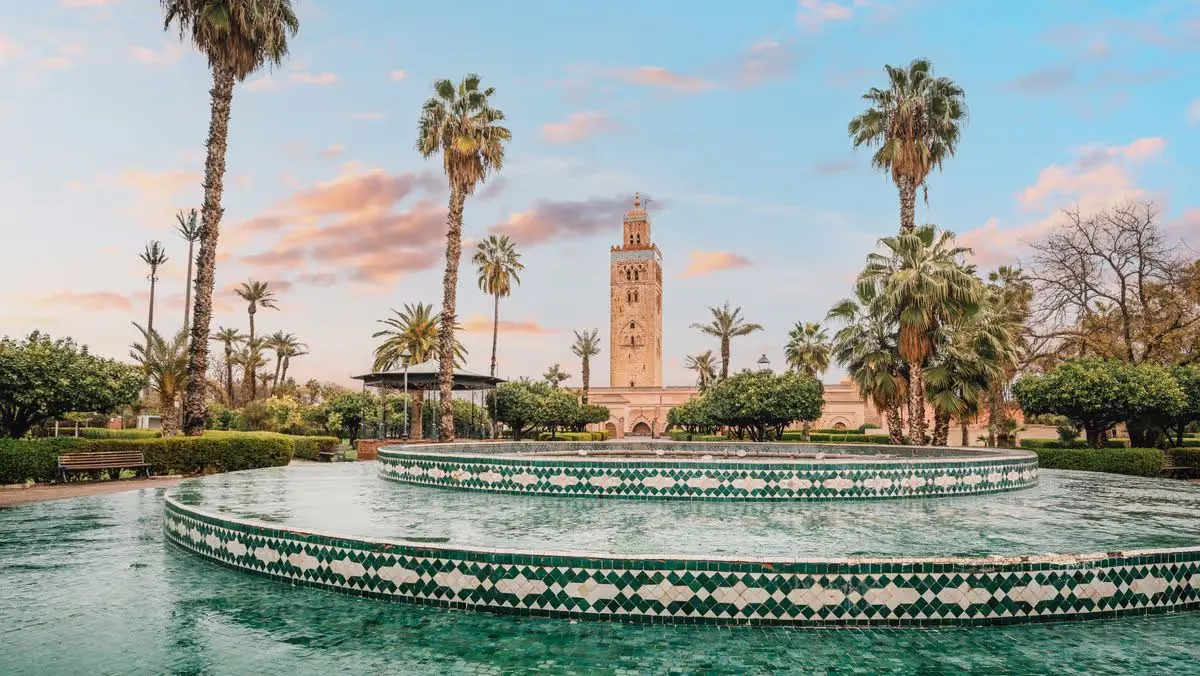
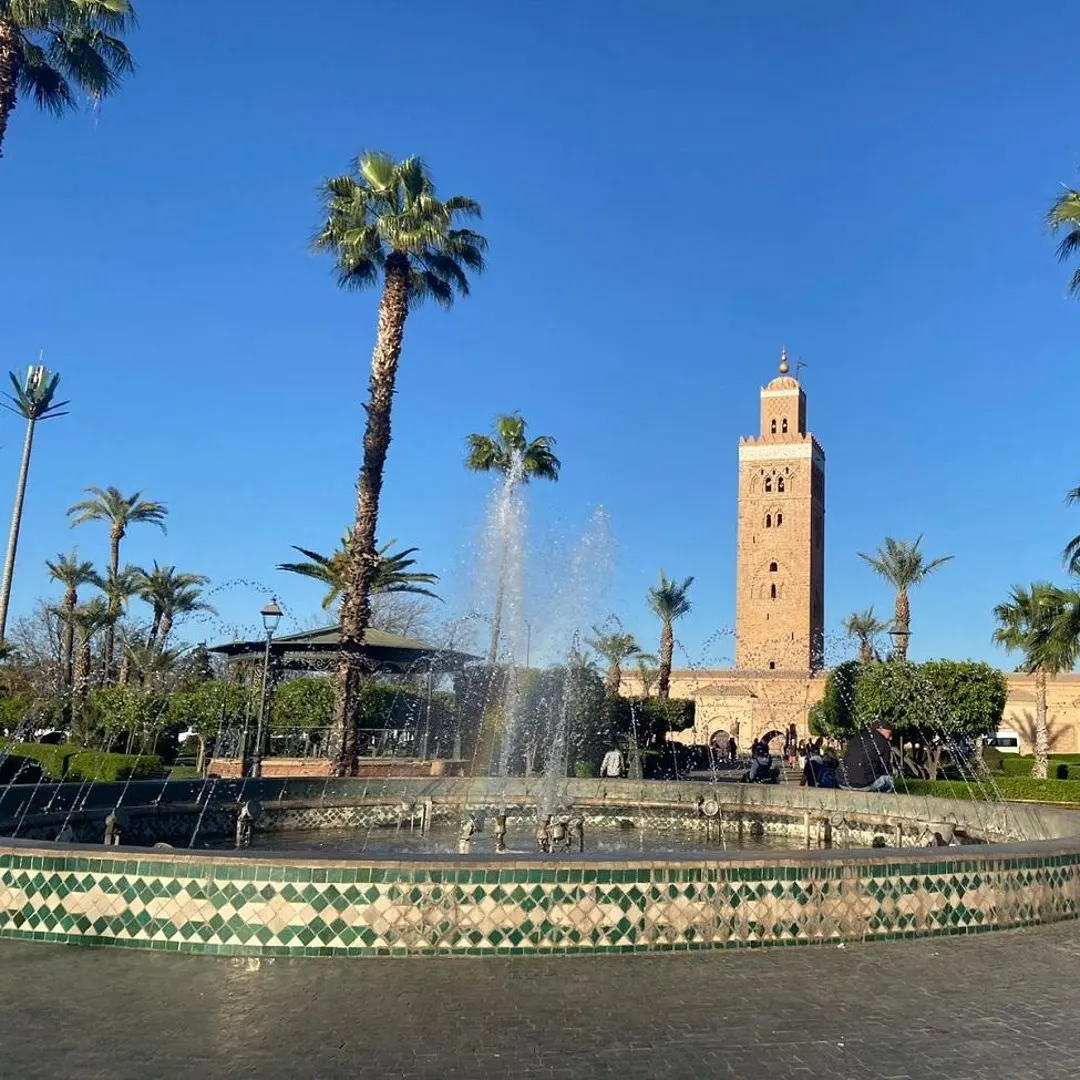
| Koutoubia | Medina | A landmark you can see from several districts |
Allow at least half a day, outside the hottest hours in summer. Cover shoulders and knees for some religious and historic buildings.
Buying in the souks has a code. Bargaining is expected: start well below the first price, talk, and meet in the middle. Compare a few shops before you decide, especially for rugs, leather and pierced-metal lamps, where quality varies. Some quarters still follow the old trades: dyers near Rahba Kedima, metalworkers further north, tanneries toward the edge. Watching the work, without buying, is one of the clearer ways to read the city.
NATAM VIP
Gueliz and Hivernage are the newer town, laid out in the protectorate years and rebuilt since the 2000s. Wide avenues, Moroccan and international designers, contemporary galleries, and restaurants from a neighbourhood café to a formal table.
Avenue Mohammed V links the medina toward Gueliz. Walking it, or seeing it from the car, shows the two faces of the city in one line. Gueliz also holds much of the later evening, with terrace bars.
Hivernage is more residential and greener, with larger hotels and a few well-known restaurants. It suits people who want quieter nights and still want shops nearby. A morning or an afternoon here balances a denser medina day. For clothes and home objects, Gueliz adds concept stores to the souks. Covered markets in the district are less tourist-facing than the medina. Galleries of Moroccan and international work are a useful indoor hour when the day is hot.
NATAM VIP
Gardens are the pause the medina does not give you.
Jardin Majorelle is the famous one: laid out by the painter Jacques Majorelle, later restored by Yves Saint Laurent and Pierre Bergé. Deep blue walls, cacti, bamboo, and a small Berber museum. The Yves Saint Laurent Museum next door suits anyone interested in fashion and in how the city was seen from outside.
Quieter options:
An hour in a garden between two heavier visits is often what makes the rest of the day work, especially after a morning in the medina.
NATAM VIP
Marrakech is also a base for the mountains, the ocean and a short desert, from half a day upward.
The Ourika valley, at the foot of the Atlas, has waterfalls, terraced Berber villages and cooler air. Families use it for a half-day or a full day. There is no fixed public fare for Ourika on this site. The quote follows how far up the valley you go.
Imlil is the trailhead for Jebel Toubkal, the highest peak in North Africa. Berber villages, trek paths, and snow on the summits for much of the year. The airport transfer is about 65 km and 1 hour 30, from 60 € for 1–3 seats. See the Imlil transfer.
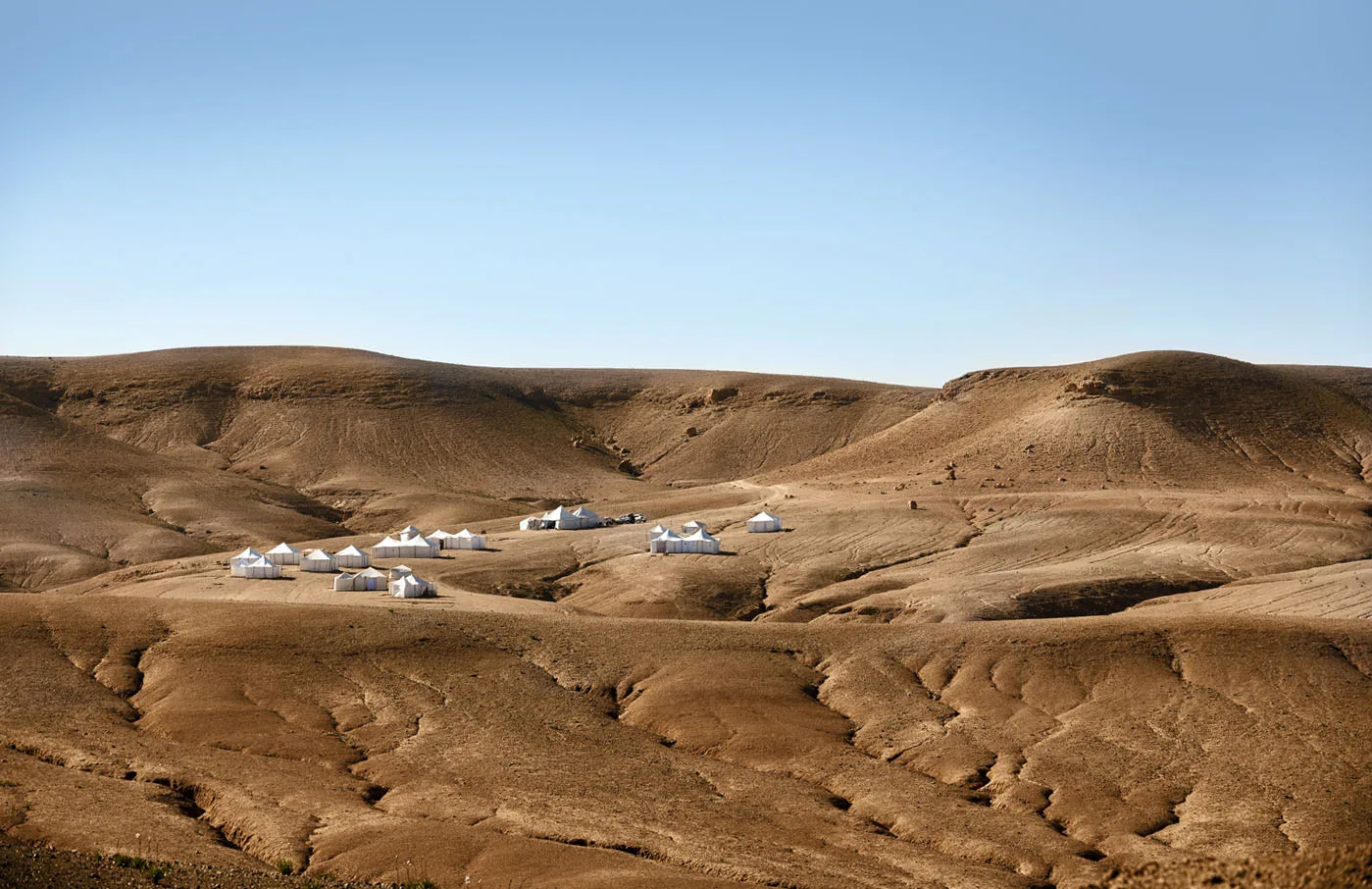
The Agafay desert, under an hour from the city, is a stone desert without a multi-day Sahara drive. Camps offer a tent night, dinner and sunset. NATAM VIP is not a partner of any camp. The ride is about 35 km and 45 minutes, from 50 €. See the Agafay transfer.
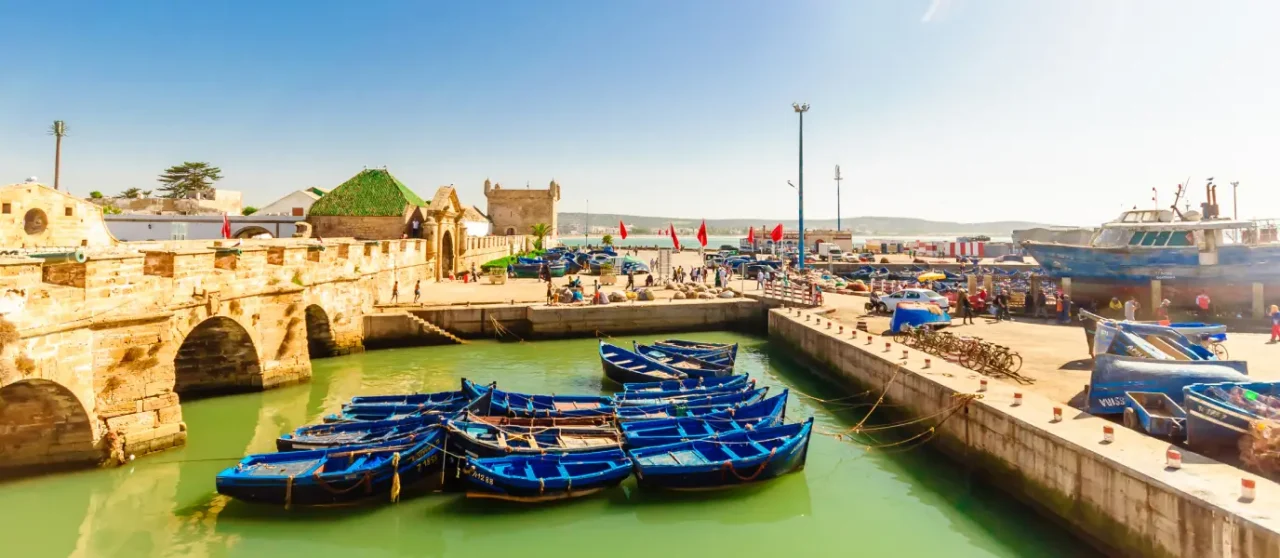
Essaouira, on the Atlantic, is a different country from the inland city: a fortified UNESCO medina, a fishing port, and windy beaches used for surf and kitesurf. The road through the argan groves is part of the day. About 175 km and 2 hours 30, from 70 €. See the Essaouira transfer.
Ouarzazate, beyond the High Atlas via Tizi n'Tichka, opens the south: kasbahs, film studios and dry country. About 200 km and 4 hours. See the Ouarzazate transfer. Aït Ben Haddou sits on that same road.
| Destination | Distance from Marrakech | Indicative drive | Do not miss |
|---|---|---|---|
| Agafay desert | ~35 km | ~45 min | Sunset, dinner in a tent |
| Imlil / Toubkal valley | ~65 km | ~1h30 | Walking, Berber villages |
| Essaouira | ~175 km | ~2h30 | Medina, port, beach |
| Ouarzazate | ~200 km | ~4h | Taourirt Kasbah, film studios |
Times move with traffic, season and stops. For Essaouira and Ouarzazate, a morning departure is what makes the day usable. These are one-way transfer times. A day with waiting is quoted separately on the day trips page.
If you have more time, Merzouga and the Erg Chebbi dunes are not a same-day return. The drive from Marrakech is about nine hours, usually broken at Ouarzazate or in the Dadès valley. Two or three days, with a night in the dunes, is the format that includes sunrise without two exhausting road days. The one-way fare starts at 400 €. See the Merzouga transfer.
NATAM VIP
A hammam — black soap, a scrub, then a massage — runs from a neighbourhood bath to a riad spa. It is a useful pause after a day of walking.
Cooking classes cover a tagine, couscous or pastilla, often with a market stop for the ingredients. Families and friends use them.
Craft is the city’s working life: pottery, Berber rugs, leather, metal, lamps. Watching a workshop before you buy makes the price easier to judge.
Some riads and cultural houses hold evenings of Gnawa or Andalusian music. That is a way to close a full day without adding another monument.
.webp)
Walking, Berber villages and open air at Imlil, on the way to Toubkal.
See the Imlil rideA fortified medina, a fishing port and the beach at Essaouira.
See the Essaouira rideSunset and dinner in a tent at Agafay, under an hour from the city.
See the Agafay rideBook the airport transfer before the Marrakech days begin.
Marrakech airport transferNATAM VIP
With children, slow down: gardens, the Palmeraie, Ourika if the waterfalls are an easy walk, and frequent stops in the medina. A family cooking class often works for both children and adults.
As a couple, a rooftop dinner in the medina, a hammam, a night in Agafay or a day in Essaouira covers a romantic stay without a chain of long drives.
For history, the palaces, madrasas and museums of the medina, plus the Yves Saint Laurent Museum, fill several dense days.
On a business trip, keep it short: a morning in the medina (Jemaa el-Fna, Bahia, the souks), lunch in Gueliz, then the hotel or the airport. The transfer timing matters so it does not eat the meetings. The business transfer page is written for that.
NATAM VIP
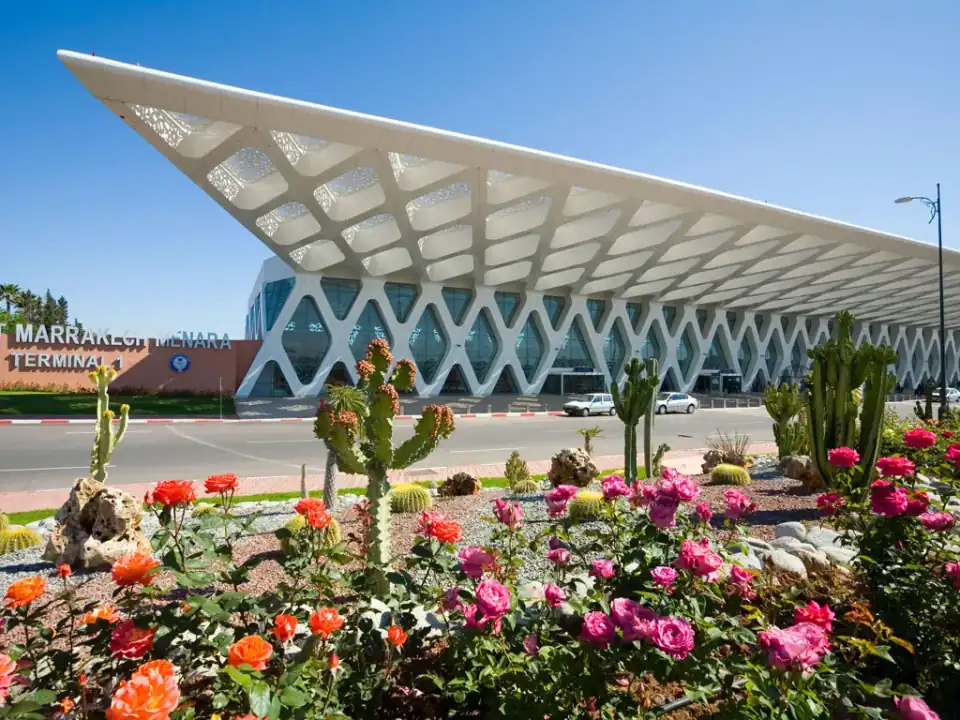
On arrival, Marrakech Menara can be confusing the first time: people offering help, a taxi queue, and a fare that is not written down. A private transfer booked ahead, with flight tracking and a named driver, removes that pause, especially after a night flight. NATAM VIP includes 30 to 60 minutes of free waiting and a welcome at the arrivals exit. The airport guide describes the meeting point.
A late flight should not rewrite the evening. Tracking moves the pickup inside the free waiting window, with no extra fee for a normal delay.
For excursions, a group tour is cheaper and fixed. A private ride to Essaouira, Imlil, Agafay or Ouarzazate is flexible on the hours. Families, and anyone who wants to set the pace, usually prefer the second.
Inside Marrakech, the medina is on foot. Cars and taxis cover Gueliz, Hivernage and the Palmeraie. A driver for the day helps when the points are far apart.
Night or late rides can include a 20% surcharge. It is stated when you book.
Our fleet
Sedans, SUVs and air-conditioned vans with Wi‑Fi and USB — the vehicle is chosen for your group and luggage.

Van · groups and families

Large van · maximum luggage

Minibus · white

Minibus · black

Van · white
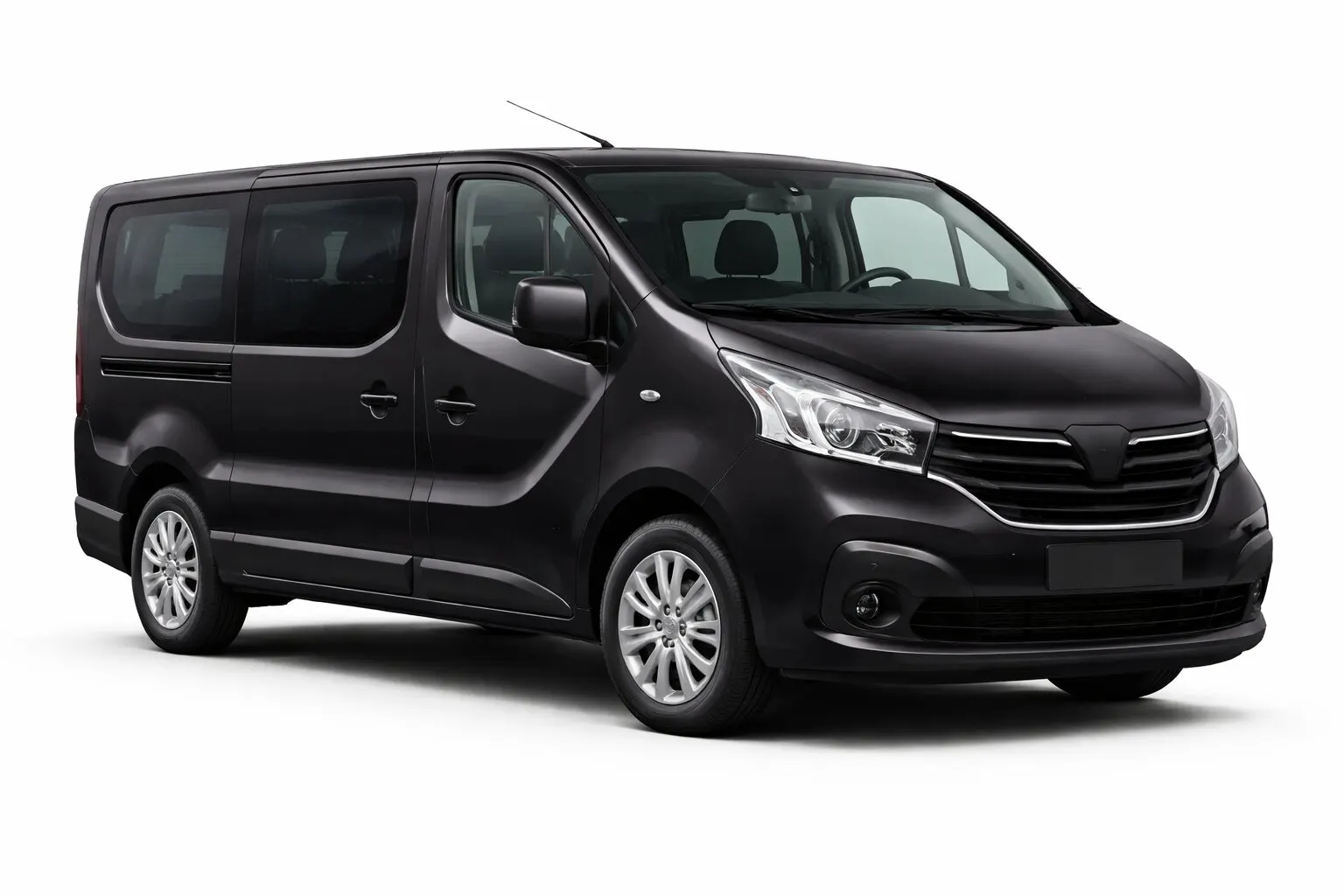
Van · black

SUV · extra luggage

Saloon · comfort
FAQ
Direct answers on booking, prices, flight delays and payment.

Three or four days cover the medina, a newer district and one garden. Five days let you add a short day trip such as Ourika or Agafay. Six or seven days are enough for a long day to Essaouira or Ouarzazate as well.
Spring (March to May) and autumn (September to November) are the easiest months for walking all day. Summer is hot. Mornings, and a day toward the coast or the mountains, work better then.
No. Jemaa el-Fna is the landmark, and the main monuments sit in a walkable area. A local guide still helps with the history and with the souks on the first days.
Agafay, the Ourika valley and Imlil work as a half-day or a full day. Essaouira and Ouarzazate are possible in a day if you leave in the morning. The drive is longer.
A private transfer booked ahead, with flight tracking, is the simplest arrival, especially at night or after a delay. Taxis are outside the terminal. Their fare is negotiated on the spot.
Yes, if the pace is slower: gardens, the Palmeraie, Ourika and a cooking class. Alternate a dense visit with a break, especially in the hottest months. Child seats on the transfer are free if you ask when you book.
About 45 minutes from Marrakech, around 35 km. That suits a late afternoon with sunset and dinner, or a half-day. The one-way fare starts at 50 € for 1–3 seats.
Cover shoulders and knees for some palaces and madrasas. Comfortable shoes matter. The medina is a long walk.
Yes. Jemaa el-Fna orients the medina, and the main monuments are concentrated. An offline map helps in quieter lanes, where the mobile signal can drop.
Yes, if the length of the stay matches. Agafay or Imlil sits easily next to a medina day. Essaouira or Ouarzazate needs its own day. Several long excursions need a week or more if Marrakech itself is still part of the plan.
Book
If the list is already clear, book the Marrakech Menara transfer with NATAM VIP. Flight tracking is included.
A question about a ride to the Atlas, the coast or the desert? Write on WhatsApp.